

Power generation professionals have urged the Nigerian government to subsidise the amount dispersed to foreign utility suppliers, such as solar inverters, etc for locally developed energy, as it may not have a positive impact on the socioeconomic conditions of the country. The energy experts opined that Nigeria continues to rely on foreign technologies in its power generation systems. Emphasising that power investment should go beyond generating electricity for homes and personal use alone to recharging businesses, empowering technology, and forming supply chains capable of sustaining the economic system within Africa. This position was analysed at the inaugural Energy Transition Africa (ETA) 2026 Colloquium, which was held virtually and was themed What will the New Economy Mean for Africa’s Development? They insisted that Africa, through its power evolution, is mandated to secure substantial contributions to productivity, industrialisation, employment, and a better and more promising standard of living instead of investing in foreign energy.
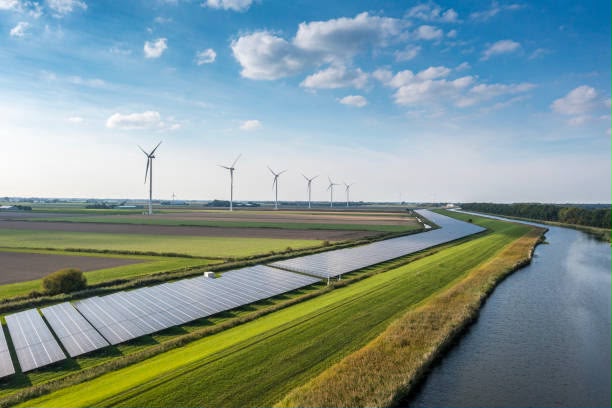
At the Energy Commission of the African Union, the head of policy planning strategy, Yagouba Traoré, said that Africans should endeavour to build their energy sector instead of exporting raw materials to import finished products for utility. He asserted that more than 600 million Africans do not have access to electricity because they have normalised the use of firewood, charcoal, solar inverters, and kerosene for cooking, limiting Africa’s energy access. He further argued that African governments can prioritise the manufacturing, mining, technical, and domestic financing systems. He opined that in indulging in the production of energy, Africans must engage in utility value chains by strengthening technology transfer and support the agility of the youths to participate in subsequent energy projects. Mr Traoré said that African heads of state and government representatives have, in February 2026, adopted a power evolution strategy that would provide a long-term vision of a better economy till 2063.
Ejiro Gray, the Executive Director of Governance and Sustainability at Sahara Group, said that we would have a better economic outlook when we improve localised productivity options, supporting these with industrial developments. Gray indicated that competitive suppliers, technology advancement, and sound governance would strengthen industrial development and supply power. She asserted that Egbin power supplies over 16 per cent of electricity all over Nigeria with 1320 megawatts, surpassing major power stations. She said that “acknowledging dependency is not an admission of weakness. It is the starting point for strategic collective power.”
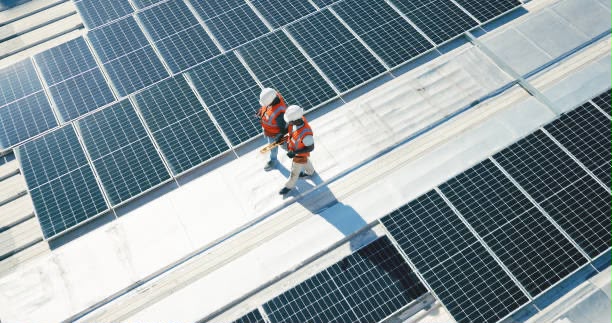
Dr Bala Tyoden, deputy director of the Research and Development Department at the Rural Electrification Agency (REA) planning department, revealed that private sectors and households have resorted to purchasing expensive resources that would neither strengthen nor sustain the economy. He presented a report proving that in 2023, Nigerians spent 16.5 trillion on fuel, diesel, inverters, and generating electricity themselves. He further revealed that the recent adoption of solar systems would further demoralise Nigerian energy productivity and industrialisation, thereby affecting the economy in general. He believed that electricity needs should be fulfilled on the local level. An energy expert from Liberia, Kemoh Lumei, stated that electricity distribution, repairs, and shortages could reduce the benefits of power generation. Kemoh, in his closing remarks, congratulated the 14 fellows who completed the lecture considered from the 231 entries accross African