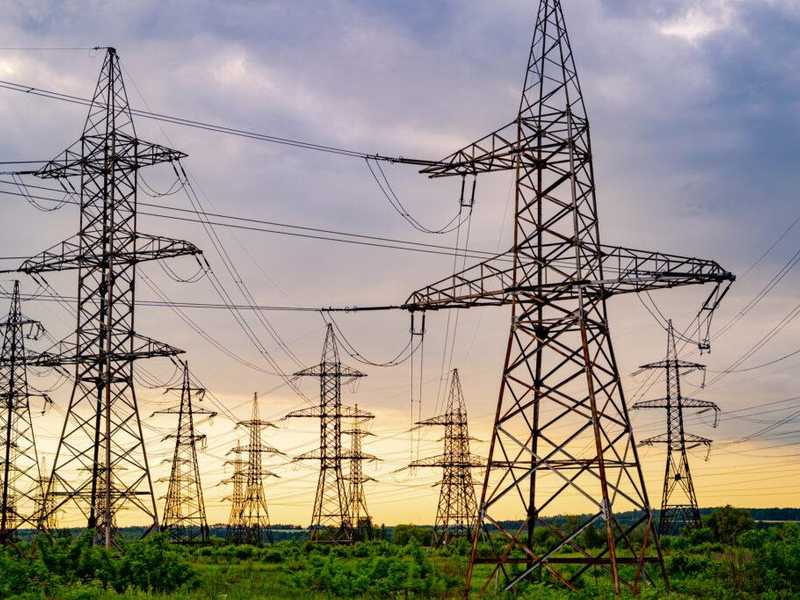
The Federal Government has signed a N729 billion Series-2 bond agreement with 11 electricity generation companies (GenCos), stepping up efforts to clear long-standing debts in Nigeria’s power sector. The N728.979 billion Series 2 bond falls under the N4 trillion Power Sector Debt Reduction Programme, consisting of N402 billion in cash bonds and N326.979 billion in non-cash bonds for GenCos. Major Nigerian GenCos include Egbin Power Plc, located in Ikorodu, Lagos State, the largest thermal plant in the country (1,320MW capacity). Kanji Hydro/ Mainstream Energy Located in New Bussa, Niger State (hydroelectric). Shiroro Hydroelectric Power Station, located in Niger State. Transcorp Power operates major generation assets including the Ughelli/Delta plant. Geregu Power PLC is a Gas-fired thermal plant located in Kogi State.
The Federal Government of Nigeria signed this Series 2 bond agreement with GenCos to resolve outstanding historic debts, re-establish market fairness, and boost nationwide electricity supply. For years, government bills that were not offset meant GenCos could not pay their gas suppliers, resulting in limited gas, limited generation capacity, and extensive power outages. Expanding on the previous N501 Billion Series 1 issuance. The framework aims to rebuild trust in the Nigerian Electricity Supply Industry (NESI) to attract private sector investments. This issuance brings the total value of the government’s power-sector bonds to N1.23 trillion within nine months.
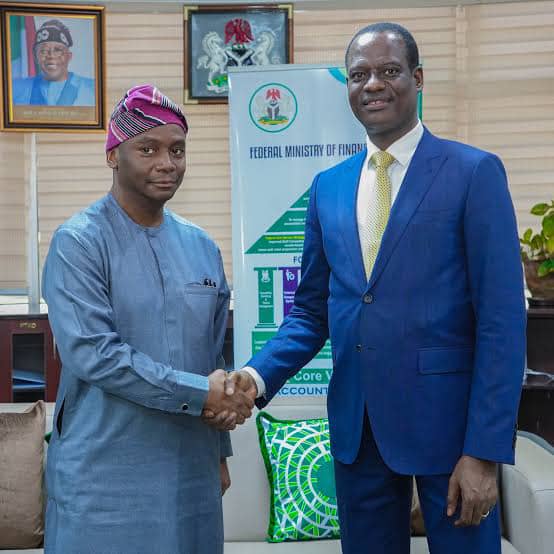
The deal, launched in August 2026, expands on the previous Series-1 programme, which involved eight GenCos. The Chief Executive Officer of the Nigerian Bulk Electricity Trading Plc (NBET), Akinola Odeyemi, said Series 2 will be implemented in two Tranches. Tranche A and Tranche B. The Tranche A cash bond consists of N402 billion raised directly from the capital market to pay down debts. Tranche B non-cash bond consists of N326.979 billion allotted directly to GenCos to settle outstanding power sector obligations.
“Ultimately, the achievement of the third programme will not be quantified by the amount or size of the bond we have issued. It will be quantified by the level at which we can achieve a financially sustainable electricity market, establish investments, meet its obligations and deliver more reliable power to Nigerian businesses and households,” he said.
The initiative aims to settle historical obligations, restore confidence and improve liquidity, potentially creating a stronger foundation for more investment and a more reliable electricity supply. However, he emphasized that the issuance of the bond alone cannot solve the problems in the power sector, stating that it should be backed by improved revenue assurance through market discipline, minimal technical and commercial losses, greater efficiency across the ecosystem, and better accountability to foster a financially viable market.

The Managing Director of Cardinal Stone Partners, Michael Nwezi, gave his opinion on the project, saying the completion of the first phase of the N4 trillion programme was important not only to the power sector but also for the development of Nigeria’s capital market. Nwezi said the positive investor response demonstrated strong belief in the structure, financial recovery plan and economic potential of the programme. “The investor engagement process itself also fortified a valid point that capital is available and investors are willing to fund revolutionary projects when they have sufficient visibility, transparency and confidence around the offering,” he said.