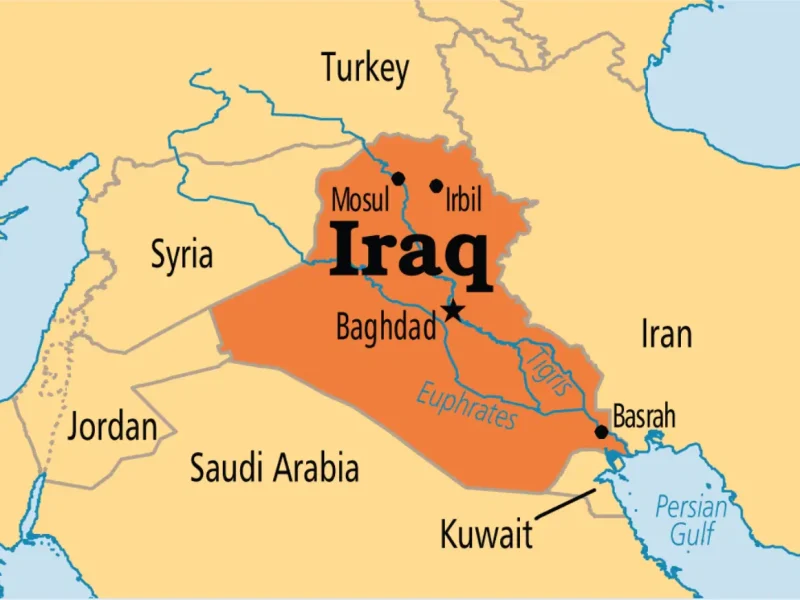
Najaf International Airport in Iraq has suspended flights operated by Iranian airlines following the latest United States sanctions targeting Iran’s aviation sector.
The halt began to take effect at 2:00 am on Friday, September 25, as stated by the airport administration, which ordered airlines and other operators involved in the affected flights to stop making preparations until further notice. The development is significant for Najaf, one of Iraq’s most important religious destinations and a major centre for Shia Muslims. The city receives large numbers of Iranian visitors, particularly pilgrims travelling to religious sites in Iraq.
Iranian flights also play an important role in connecting the two neighbouring countries for other purposes. Iraqi students living and studying in Iran, as well as patients travelling to the country for medical treatment, are among those who rely on the air routes between Iraq and Iran. Iranian airlines are facing increasing pressure after Washington introduced new measures against the country’s aviation sector, with the latest suspension coming as part of the developments.
. US Treasury Secretary Scott Bessent had warned that Iranian airlines would face severe restrictions from September 23, with companies providing services such as fuel, landing assistance and other support also exposed to possible secondary sanctions.
Iraq had already suspended Iranian flights at Baghdad International Airport after the new US measures took effect. Iranian aviation authorities had subsequently been discussing the possibility of diverting some Baghdad-bound flights to Najaf, which had remained an important destination for Iranian carriers. There had initially been uncertainty over whether Najaf would follow the restrictions. On Wednesday, airport officials said there was no instruction to stop Iranian flights, and flights between Najaf and Iran continued as scheduled at the time. The situation changed on Friday, however, as Najaf International Airport announced that all flights to and from Iran had been suspended until further notice. The airport administration said the decision followed instructions from the relevant authorities but did not name the authority that issued the order or explain why the flights were being stopped.
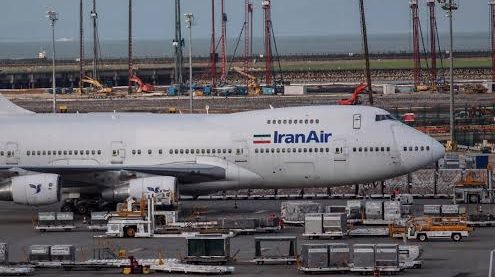
The suspension may also affect people travelling between Iraq and Iran, as many passengers use the route for religious visits, medical treatment, education and other personal reasons. Beyond religious travel, the routes are used by people travelling for education, healthcare, business and family-related reasons. Road travel between Iraq and Iran is still possible, but people who normally fly between the two countries will now have to look at other options. For some people, especially those travelling for medical or health issues, education or other urgent reasons, this may be a long journey
Passengers travelling for religious visits, medical treatment, education or other personal reasons may now have to consider other means of transportation.
Iranian airlines have also been affected by similar restrictions in some other countries following the new US sanctions. The measures have placed further limits on the ability of Iranian carriers to operate international flights and maintain some of their regular routes.
The United Arab Emirates, for instance, has also suspended flights operated by Iranian carriers following the introduction of the new US measures. The full effect of the restrictions on Iranian international air travel remains to be seen, particularly as some countries and airports have taken different approaches to the US sanctions. US Ban Begins to Take Effect as Iranian Flights Are Suspended
Najaf International Airport in Iraq has suspended flights operated by Iranian airlines following the latest United States sanctions targeting Iran’s aviation sector.
The halt began to take effect at 2:00 am on Friday, September 25, as stated by the airport administration, which ordered airlines and other operators involved in the affected flights to stop making preparations until further notice. The development is significant for Najaf, one of Iraq’s most important religious destinations and a major centre for Shia Muslims. The city receives large numbers of Iranian visitors, particularly pilgrims travelling to religious sites in Iraq. Iranian flights also play an important role in connecting the two neighbouring countries for other purposes. Iraqi students living and studying in Iran, as well as patients travelling to the country for medical treatment, are among those who rely on the air routes between Iraq and Iran. Iranian airlines are facing increasing pressure after Washington introduced new measures against the country’s aviation sector, with the latest suspension coming as part of the developments.
. US Treasury Secretary Scott Bessent had warned that Iranian airlines would face severe restrictions from September 23, with companies providing services such as fuel, landing assistance and other support also exposed to possible secondary sanctions.
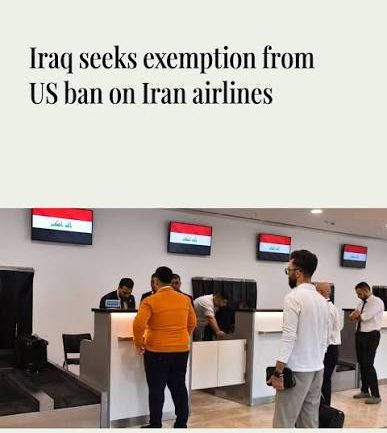
Iraq had already suspended Iranian flights at Baghdad International Airport after the new US measures took effect. Iranian aviation authorities had subsequently been discussing the possibility of diverting some Baghdad-bound flights to Najaf, which had remained an important destination for Iranian carriers. There had initially been uncertainty over whether Najaf would follow the restrictions. On Wednesday, airport officials said there was no instruction to stop Iranian flights, and flights between Najaf and Iran continued as scheduled at the time. The situation changed on Friday, however, as Najaf International Airport announced that all flights to and from Iran had been suspended until further notice. The airport administration said the decision followed instructions from the relevant authorities but did not name the authority that issued the order or explain why the flights were being stopped.
The suspension may also affect people travelling between Iraq and Iran, as many passengers use the route for religious visits, medical treatment, education and other personal reasons. Beyond religious travel, the routes are used by people travelling for education, healthcare, business and family-related reasons. Road travel between Iraq and Iran is still possible, but people who normally fly between the two countries will now have to look at other options. For some people, especially those travelling for medical or health issues, education or other urgent reasons, this may be a long journey
Passengers travelling for religious visits, medical treatment, education or other personal reasons may now have to consider other means of transportation.
Iranian airlines have also been affected by similar restrictions in some other countries following the new US sanctions. The measures have placed further limits on the ability of Iranian carriers to operate international flights and maintain some of their regular routes.
The United Arab Emirates, for instance, has also suspended flights operated by Iranian carriers following the introduction of the new US measures. The full effect of the restrictions on Iranian international air travel remains to be seen, particularly as some countries and airports have taken different approaches to the US sanctions.