

The House of Representatives in Nigeria demands a transparent and accountable framework for the importation of electric cars, compressed gas vehicles, and related vehicles, linking government initiatives to creating developmental facilities. Ademorin Kuye (the Lagos lawmaker) presented a motion, which was followed by this proposal to the House of Representatives. At the meeting, he opined that electric vehicles should have efficient technical and infrastructural capacity required to improve their products rather than depending on import duty concessions and incentives. These vehicles should, in essence, be designed with the capacity to operate on non-imported parts and at lower costs or should be covered by an insurance that users can afford for a worthy repair.
In conclusion, it was determined that Nigeria has established policies and facilities encouraging CNG vehicles, liquefied petroleum vehicles, gas vehicles, and electric vehicles. The lawmaker urged that they provide more technically efficient technology as part of its economic agenda. These vehicles were described as modern and have been designed as a result of technological advancements. The National Automotive Design and Development Council (NADDC) was urged by the House of Rep to arrange a set of requirements to verify importers.
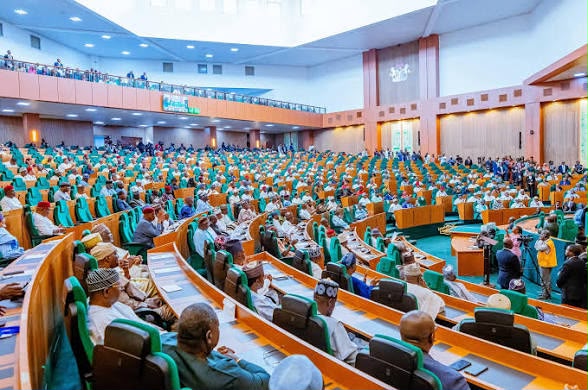
Ademorin Kuye on Tuesday to the House of Representatives implied that the Nigerian government has adopted incentives and technologies to help the charging, CNG refuelling and general maintenance of the vehicle, while encouraging manufacturers to enforce an after-sales support system that provides financing for vehicle reconstruction.
“The House is aware that the Federal Government has introduced fiscal incentives, including import duty and tax reliefs, to encourage investment in clean mobility technologies and improve the availability of adequate charging infrastructures, CNG refuelling stations, maintenance centres, spare parts supply chains, technical expertise, and after-sales support, which are all critical to the success of this policy direction,” he said.
He added that Nigeria has a driving force that supports retaining technological innovations. He said,
“The House is convinced that Nigeria has the opportunity to encourage local investment, technology transfer, employment generation and domestic value addition by linking import incentives to measurable investments in infrastructure and technical capacity.”
The House, however, moved a proposal that the Nigerian government establish a standard licensing system for these mobility machines. They urged that they “establish a transparent licensing and approval framework for the commercial importation of electric vehicles, CNG vehicles and related clean mobility equipment.”
The federal government has collaborated with the National Automotive Design and Development Council, in collaboration with the Bureau of Public Procurement, the Standards Organisation of Nigeria, the Nigeria Customs Service and other relevant agencies to create a better framework for electric, petroleum and liquefied gas vehicles in Nigeria. The House of Representatives resolved that upon the existence of these developments, manufacturers willing to market their products in Nigeria may possess the establishment of certified service and maintenance centres in Nigeria, the availability of genuine spare parts and warranty support, and the employment and training of qualified Nigerian technical personnel”, they said. They added that it would be approved subject to the environmental and technical standards of the country.