

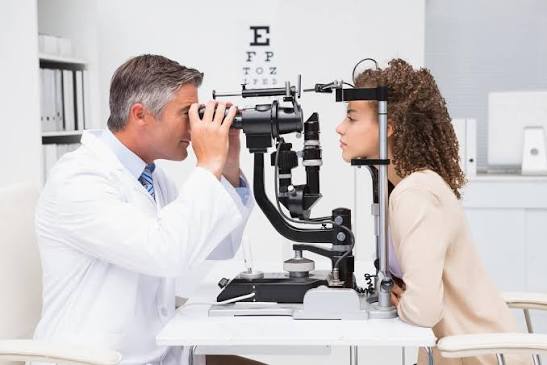
The Federal Government of Nigeria has pledged to improve quality eye care for more than 25 million vulnerable citizens by 2030. This will be achieved in partnership with local and international development partners to reduce preventable blindness and provide affordable eye care.
This pledge was announced at the Global Summit for Eye Health hosted by the Government of Antigua and Barbuda alongside Bangladesh, Guyana, Ireland and Nigeria. It was organised by the International Agency for the Prevention of Blindness (IAPB) in technical partnership with the World Health Organisation (WHO).
The Nigerian government will improve eye care for women, the elderly and vulnerable communities. Primary Eye Care (PEC) will be implemented within Primary Health Care (PHC) across the nation.
10,000 Primary Health Care staff will gain training to provide improved eye care. They will be able to recognise common eye conditions and provide basic support. 5 million ready-made reading glasses will be provided for Nigerians who struggle with reading. 25,000 free cataract surgeries will be provided.
They will increase the number of active eye care professionals across the nation by 20% and improve Nigeria’s Effective Cataract Surgical Coverage (eCSC) by 30%. This will improve the country’s ability to avoid preventable blindness.
This pledge was submitted by a range of partners, including Sightsavers and Christian Blind Mission, and will be built on their national eye health strategy. Currently, eye conditions are a massive problem within Nigeria. In 2020, around 24 million Nigerians were living with some form of vision loss. Around 1.3 million individuals are blind.
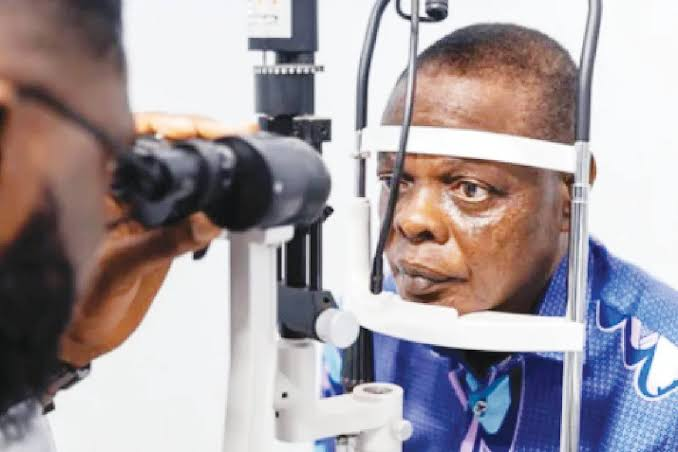
Improving early diagnosis, treatment, and prevention of eye conditions is key for those who cannot afford to attend health care facilities.
Poor eyesight can cause many issues in many areas of life, including education, employment, independence, and productivity. Children with poor eyesight will struggle to read and learn in school. Adults will struggle with employment. Older people can also suffer from eye conditions related to their age.
George Akume, Secretary to the Government of the Federation, spoke about the need to focus more on eye care. Eyesight is often not a priority in many development conversations but can have a huge impact on economic growth, education and overall wellbeing.
Countries will struggle to make meaningful changes to reduce poverty, improve inclusive education and create sustainable economic growth when millions suffer from preventable eye conditions. However, the Value of Vision report has shown there will be some economic gain from investing in eye care.
An estimated $110 million investment will provide around $2.45 billion of economic gain for Nigeria by 2030. This includes reduced healthcare costs, improved education, productivity, road safety, and mental health.
The analysis showed that increasing investment in eye care could prevent 13,590 cases of depression, 56 road deaths, and reduce 1,479 road injuries. It also predicts an additional 70,641 years of learning. This shows increasing access to eye care could really benefit families and the economy in Nigeria.
“We must reorient how we view eye care as governments and development organisations. Investing in vision care must be seen as an important investment in human development.”
There are currently many programmes in place to improve eye care. The Focus on Clear Vision project is being implemented in Kebbi, Jigawa and Bauchi in partnership with Sightsavers, government and a range of partners.
This project focuses on children in schools. They provide eye screening and glasses where needed. Over 1.5 million children and teachers have been screened, and over 33,000 glasses have been provided.
This project is important as children can struggle to learn when they have poor eyesight. Early diagnosis and provision of glasses will help overcome any barriers to education.
VisionSpring is also helping improve eye care within Nigeria. They are supporting the Jigi Bola initiative led by the Federal Ministry of Health. This initiative aims to increase access to reading glasses by including them in primary healthcare.
“We are providing training, technical support and affordable and appropriate glasses to increase the capacity of frontline health workers,” Said Abimbola Ogundirahun, Country Manager at VisionSpring. This will improve the ability of primary healthcare staff to identify individuals with vision problems. This should help overcome any issues with accessing reading glasses.
Peter Holland, Chief Executive Officer at the International Agency for the Prevention of Blindness, said the Global Summit for Eye Health was an important event.
Governments, organisations and private sectors have pledged to improve eye care. This shows there is more recognition of the need to improve access to sight-saving services.
“Improving eye care will mean more people can go to school, keep their jobs and take care of their family. Investing in eye care should be seen as an investment in human potential, economic growth and a sustainable future.”
Over 25 million vulnerable Nigerians will benefit from this initiative by 2030. The success of this will depend on the effective implementation of the programme and sufficient funding. There also needs to be good collaboration with government institutions and development partners.
This improvement in eye care is an important step in including eye care within the healthcare system in Nigeria. However, it is important to ensure the pledges are actually implemented. This will be important for rural communities and those who cannot afford specialist treatment.
If this initiative is successfully implemented, it can really improve access to affordable eye care, reduce preventable blindness and provide millions of Nigerians with improved health, education and opportunities.