The “agricultural role” in Nigeria goes beyond paper and boardroom deliberation; it is at present the most potent way of creating and facilitating employment growth and tackling poverty. Agriculture is the cornerstone for economic development and food security. The Nigerian agribusiness market is currently moving towards the middle of the value chain, as most of its citizens are moving towards urbanization, leaving rural areas and their practices. However, urban customer preferences are evolving rapidly; there’s been a reasonable demand for traceable organic food varieties.
Following the ban on cocoa bean export in July 2026, there has been a revolution in the economy, and the agricultural business structure may automatically affect an evolution in the market structure. For investors, this change would automatically cause a strategic use of the now available facilities against the previous one, maximizing them by identifying the right way to invest. Instead of this, an individual who looks forward to finding their way in the agribusiness world would look beyond just implementing capital to understand how the business market works post-evolution and how it has recently shaped the economy within the territory. The market strategy currently employed in Nigeria’s agribusiness market demands a practical, systematic procedure from the Corporate Affairs Commission’s formal registration to obtaining a license from the National Export Promotion Commission. These regulatory steps are some of the baseline processes incorporated in taking part in investing and maintaining a legacy in the Nigerian agribusiness economy. Reducing the risk of your investment scheme doesn’t solely demand boardroom negotiations; it includes networking and relating largely with international organizations and implementing their schemes and strategies. This creates visibility and exposure from across the globe and transforms individual personality into a realistic, participatory substance. The presidential agricultural policy of 2026 has helped the private sector in Nigeria by reducing the cost of business establishment and enhancing participation in regulatory frameworks. This evolution would encourage a sustainable 2027 vision grounded in commercial viability, where principle supports rather than bars small-scale investment.
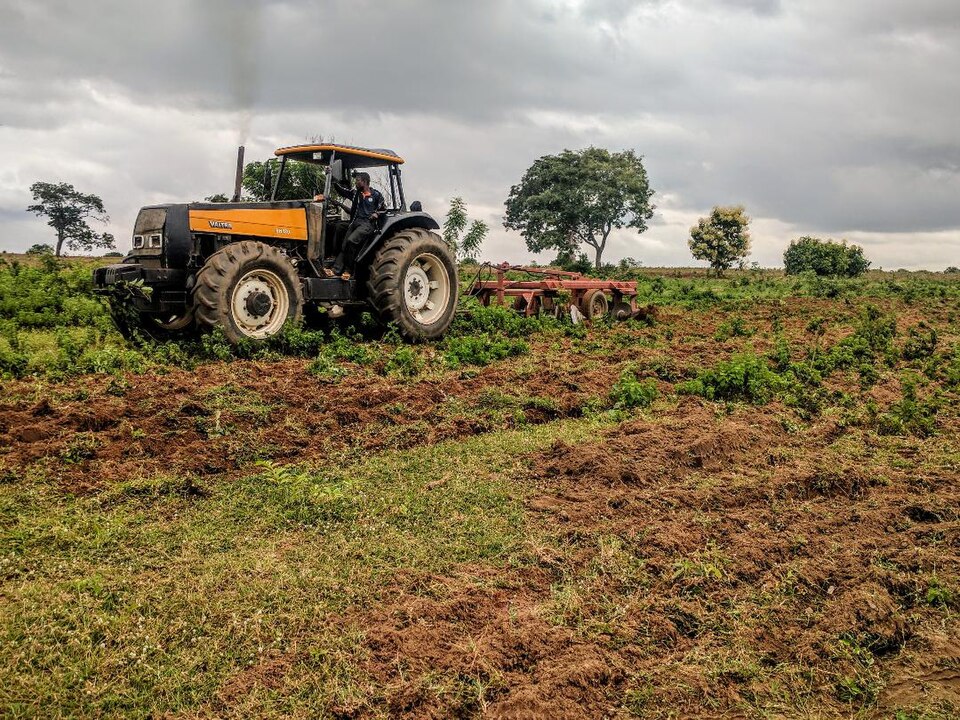
Infrastructure so far has been the work frame for market production and expansion; beyond the soil and crop expansion, the storage, processing, and distribution cannot be left without due consideration. It is imperative to note the warehousing, logistics, incubation of solar energy, and every other necessity required to encourage the extraction, production, preservation, and dispatch of raw, locally processed food. The article “Enhancing Agricultural Value Chains through Local Government Intervention” by Dr. Lubo Ebisine and Dr. Edwin Abana analyzes the extent to which local government intervenes in the infrastructural and corporate enhancement of agricultural marketing in southern Nigeria. The article implies that the transformation of all-season rural roads would facilitate the farmer-to-buyer working atmosphere. It also states that financial endowments are targeted to facilitate the distribution of food to end users from harvest to distribution. The article also referenced government-related barriers, including subsidized funding, weak political systems, and inconsistent evaluation systems that have affected market effectiveness in these parts. It generally suggests that the market value chain requires strategic investment, rural infrastructure, and an accountable government.