
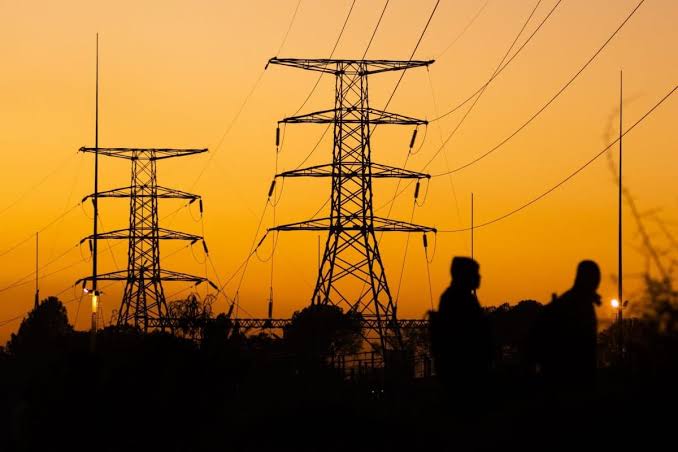
The Minister of Power, Joseph Tegbe, has acknowledged worsening electricity supply disruptions in Lagos, Abuja, Ogun, Kwara and Oyo states, as the Federal Government moves to recover abandoned power equipment, beginning with the clearance of 44 containers from Apapa ports in Lagos.
The minister stated that visible improvements in the supply of electricity have been recorded in areas that were affected before the recent interruptions in the supply of electricity, which he said were caused by maintenance and operational challenges, gas shortages at thermal power stations, and reduced output from hydropower plants.
The issues came into being as a result of constant complaints made by consumers making use of the electricity over reduced supply hours, with the Nigerian Independent System Operator stating that this problem is a result of inadequate gas supply and lower water inflows into hydroelectric reservoirs as major constraints on national grid generation.
The latest electricity distribution data showed that the 11 electricity distribution companies received a combined allocation of 2,926 megawatts as of 4:41 pm on Thursday, 5 November, 2026.
Abuja Electricity Distribution Company received the highest allocation of 633MW, accounting for about 21.6 per cent of the total power allocated to the DisCos. Next on the list was Ibadan Disco with 391 MW, while Port Harcourt Disco got a total of 320MW.
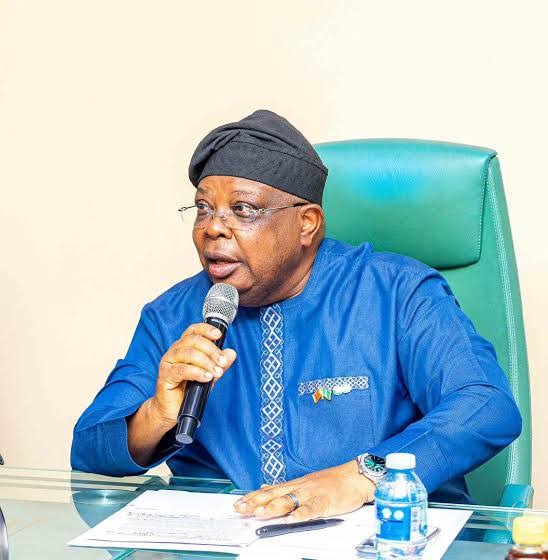
Image Credit: Von.gov.com
Benin Disco received 264MW, while Eko Disco was allocated 256MW. Enugu Disco received 253MW, slightly ahead of Ikeja Disco, which got 249MW.
Among the remaining distribution companies, Kano Disco received 173MW, Kaduna Disco 167MW, and Jos Disco 146MW, while Yola Disco received the lowest allocation of 74MW. The significant differences in electricity allocations among the distribution companies were made known by the figures, with Abuja Disco receiving more than eight times what was allocated to Yola Disco.
The load allocated to the distribution companies at the stated time is represented by the figures, but is not necessarily the electricity that is delivered to consumers.
In a statement issued on Thursday by his Special Adviser on Media and Publicity, Adeola Adelabu, Tegbe said preliminary assessments showed that the disruptions were not caused by a major or systemic failure of the national grid.
He also mentioned that the government was working with the Transmission Company of Nigeria, NISO, and electricity distribution companies to provide immediate solutions to the problems and restore normal supply of electricity
“The Ministry acknowledges the inconvenience this has caused households, businesses and public institutions, and understands the frustration of Nigerians who had begun to see the benefits of steadier supply.
We recognise what every hour without power means for individuals, families and businesses, and we do not take it lightly,” the minister said.
The minister made mention of the fact that the generation of power has reduced and explained that issues of maintenance and operation across parts of the electricity value chain were responsible for the reduction in supply.
Tegbe made mention of the fact that the relevant agencies and distribution companies had been engaged in activities aimed at resolving the constraints, speeding up the ongoing maintenance, and keeping consumers informed about restoration efforts.
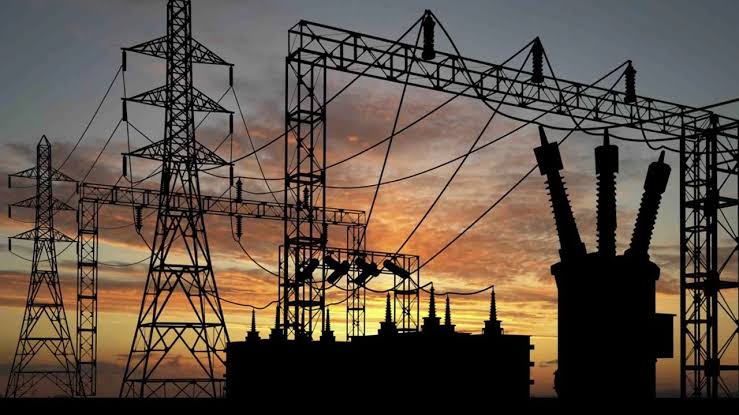
Image Credit: Vanguard Nigeria
The minister’s acknowledgement of the interruption of power supply took place at the same time as the announcement that the clearance of 44 containers of electricity equipment from Apapa ports had been made possible by the federal government, where more than 300 containers had remained stranded, some since 2014.
Tegbe said the clearance followed President Bola Tinubu’s directive after the last Federal Executive Council meeting, asking the Ministry of Power to work with the Nigeria Customs Service and the Nigerian Ports Authority to resolve the outstanding issues.
According to what he said, the agencies have been ordered by the president to reconcile outstanding charges and facilitate the release of the equipment.
The minister made it known that after the intervention of the federal government, the first 44 containers were released, stating that their contents would be inspected by technical experts before deployment.
He made it known that the equipment that was serviceable would be deployed to ongoing electricity projects, while items that cannot be used would be disposed of appropriately.
The development also follows the recovery of 110 abandoned containers and 216 packages by the Niger Delta Power Holding Company under its Managing Director, Jennifer Adighije.
It was reported that the recovery made it possible to save more than N30bn and helped unlock about 470 megawatts of electricity generation capacity through recovered turbines.
Additional equipment for ongoing power infrastructure projects is expected to be provided by the latest clearance, although it was not stated by the ministry the exact contents of the 44 containers, their condition, or the deadline for it to be deployed